Premium Calfskin Tote The Row 90s Bag
Why The Row Handbags Preserve Their Value Long-Term
Consult any secondhand-market specialist as well as secondary-market operator about which handbags they scramble to acquire, and The Row gets mentioned without hesitation. This is not a brand built on seasonal noise or fleeting trend cycles. Its foundation lies in materials, construction, and a design philosophy that declines to follow trends. That refusal is exactly why The Row’s bags hold up so uniquely from the majority of luxury accessories once they leave the store and reach the resale world.
Most designer handbags decline in worth immediately upon purchase, in some cases shedding 40 to 60 percent of what they originally cost within the first year. The Row’s bags don’t follow this pattern. Certain styles, particularly the Margaux, have been reported reselling at or near original retail price, and in rare cases exceeding it, contingent upon leather type, condition, and demand at the time of sale. To understand this, one must considering how the brand treats design, sourcing, and scarcity — three elements that infrequently converge this exactly in the fashion industry.
The Design Philosophy Behind Longevity
The Row, founded by Mary-Kate and Ashley Olsen, has built its identity around restraint. There are no logo motifs, no limited-edition charm lines, no periodic color launches meant to fade in relevance after six months. The row fashion approach treats clothing and accessories as enduring wardrobe staples rather than disposable style statements. This matters enormously for resale value because buyers don’t buy a “moment” — they’re purchasing a shape and a material that will look identical in relevance five or ten years from now.
Set this against bags built around a specific print, a specific hardware trend, or a specific silhouette tied to a particular runway season. Those items visibly date themselves. The Row’s bags, however, are built to feel timeless. The Margaux, the Ascot, and the tote styles all share this quality: clean lines, minimal hardware, and proportions that steer clear of the row shoulder bags referencing any particular era of fashion.
This outcome is deliberate. Designers are said to invest extended development cycles — occasionally exceeding a year — refining a single bag shape before it goes into production. That patience shows up later as lasting worth, because the bag was never trend-dependent to begin with.
How Materials and Craft Shape Durability
These handbags are made using premium-grade leather, often sourced from tanneries in Italy and France known for supplying top-tier luxury houses. The leather is dense, the grain is consistent, and the finishing is done through handcraft in boutique workshops rather than large-scale factories. This directly affects how the bag ages. A well-tanned leather bag develops a patina over years of use rather than splitting, flaking, or losing shape.
Stitch density is one more overlooked detail. Where a mass-market bag might use a single row of heavy-duty stitching at stress points, row bags typically reveal more even and controlled stitch work across the seams — visible evidence of patient, more meticulous manufacturing. Any hardware used tends to be solid rather than plated, which resists tarnishing over years of handling.
These aren’t just brand claims; they reflect actual build quality. A bag that holds its shape after three years of everyday use is a bag that remains photogenic on a resale listing, still secures a solid price, and still functions as intended. Buyers researching row bags overview content consistently point to this durability as the reason they’re willing to pay near-retail prices secondhand.
Restricted Supply and Narrow Distribution Channels
The Row avoids oversaturating the market. Bags are produced in restricted runs and sold through a limited number of boutiques and select department stores, plus the brand’s own e-commerce channel. There is no outlet division, no bulk markdown channel, and historically very few markdown events. This restricted availability is a major driver of resale strength.
If a row sale occurs — typically during periodic seasonal adjustments — it tends to involve small price reductions rather than the 50-70 percent slashes common at other luxury houses. Because deep discounting is rare, secondhand buyers don’t count on locating the row bag they want at a sharp markdown, so they’re willing to pay closer to full price on the resale market instead.
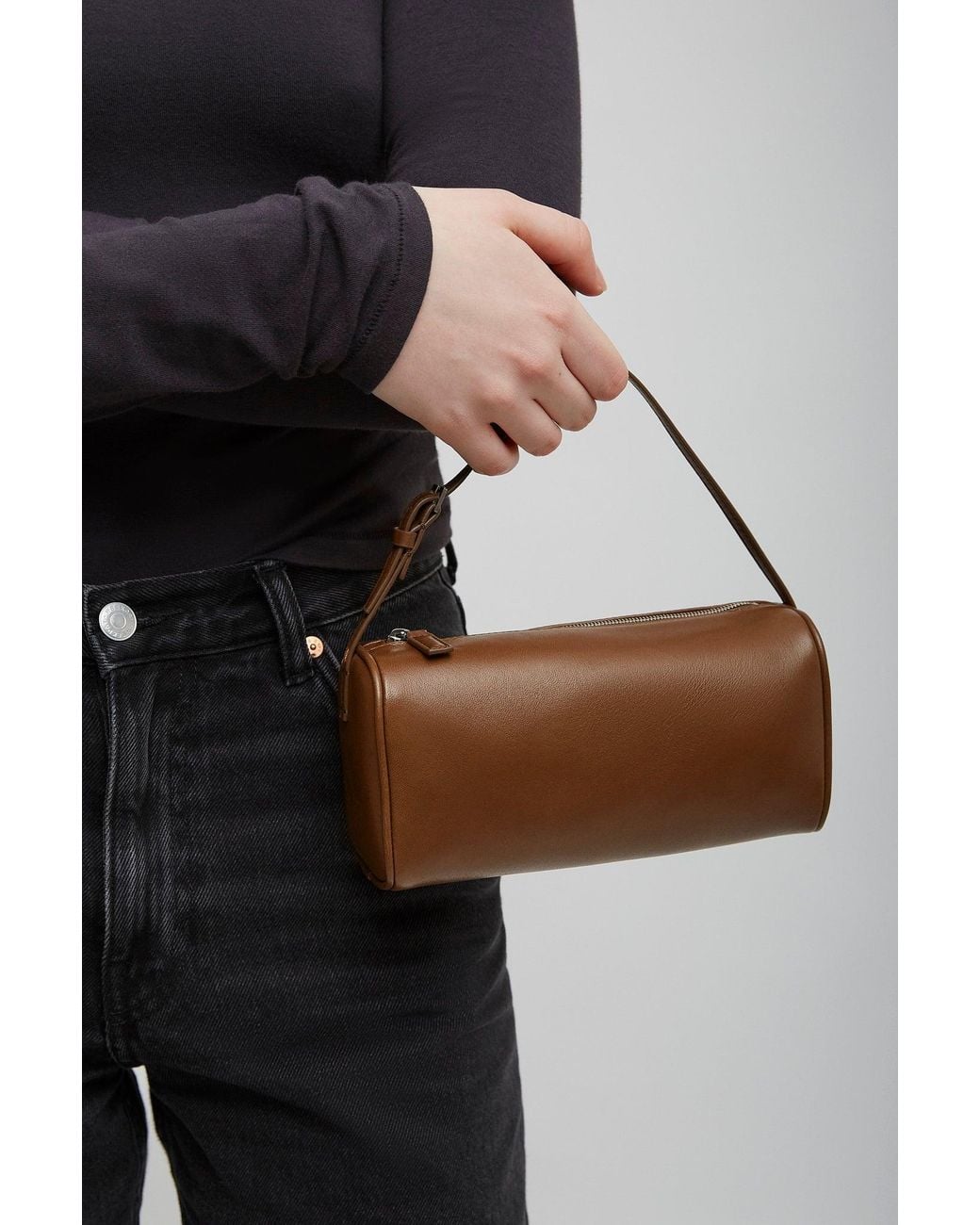
Limited distribution also means fewer bags are in circulation at any given time. Should you be curious where to buy the row margaux bag, the candid answer is that options are tighter than with most luxury brands: the brand’s own site, a handful of luxury retailers, and authorized boutique locations. That narrow funnel keeps supply limited relative to demand, which is one of the most fundamental and consistent drivers of price stability in virtually any resale market.
Comparing The Row’s Most Discussed Styles
Some row handbags simply outperform others when it comes to resale worth. A few styles have outpaced others in reputation based on demand, versatility, and how identifiable the silhouette has become. Below is a comparison of some of the most sought-after styles among resale buyers and stylists tracking the best row bags in 2026.
| Bag Style | Silhouette Type | Resale Popularity | Ideal For |
|---|---|---|---|
| Margaux | Structured tote-style bag | Exceptionally strong | Daily carry, work |
| The Row Tote Bag, classic style | Soft, oversized tote | High | Travel, everyday errands |
| Ascot | Bag with top handle | Medium-to-high | Dressy, formal wear |
| Half-Moon | Arced-silhouette shoulder bag | Fairly steady | Laid-back day-to-day wear |
Hardly any bag competes with the Margaux when it comes to topping lists of top row bags, a result of its flexible form that lets it move seamlessly between work and downtime. The brand’s classic tote comes in a close second, valued for its capacity and low-key labeling, which makes it easy to pair with virtually every closet. Firmer-shaped pieces like the Margaux typically outperform in resale value compared to entirely unstructured designs for the simple reason that they display signs of age at a slower pace.
Comparing The Row to Its Investment-Worthy Peers
Only a small number of houses qualify as sources of investment-grade handbags: Hermès, Chanel, and a few others where demand consistently outpaces supply. The Row has entered that conversation more recently, but its secondhand value trajectory is already being compared to these longstanding labels. Differing from Hermès, The Row doesn’t operate a waitlist system, but its capped output produce a comparable sense of rarity minus the multi-year waiting period.
If one factor separates the row bags from other “quiet luxury” names, it’s steadiness. While certain minimalist labels change up their shapes each season, The Row maintains its key styles for years at a time, occasionally introducing new shades or leather finishes rather than replacing the shape entirely. That ongoing consistency builds trust among buyers, across both retail and resale markets, because they are confident the bag they’re purchasing won’t be pulled from production or made irrelevant by whatever comes next season.
It also means used bags remain compatible with current collections in terms of style, which keeps resale demand steady rather than tied to whatever is freshly dropped.
Practical Buying Advice for 2026
If you’re shopping with resale value in mind, condition and documentation matter enormously. Original receipts, dust bags, and authenticity cards all add measurable value to a secondhand row bag. The shade of leather counts too: understated shades such as black, tan, and taupe usually perform better on resale than special-edition or short-run shades, since they pair with more types of clothing.
A row sale can offer a smart opportunity to buy, but steep discounts shouldn’t be expected — a 15-20 percent reduction is the norm compared to the heavier markdowns found in other markets. If you’re specifically hunting for where to buy the row margaux bag at a fair price, the safest route is to look at both the brand’s direct channels and trustworthy resale sites offering authentication, since supply varies and counterfeit items are a real risk given the brand’s growing visibility.
In the end, the row bags retain worth because each element of the picture — aesthetic, materials, supply strategy, and brand restraint — points in the same direction. Such alignment is uncommon in the fashion world, and this is the reason these bags have become some of the most quietly reliable investments in today’s handbag landscape.
Leave a Reply